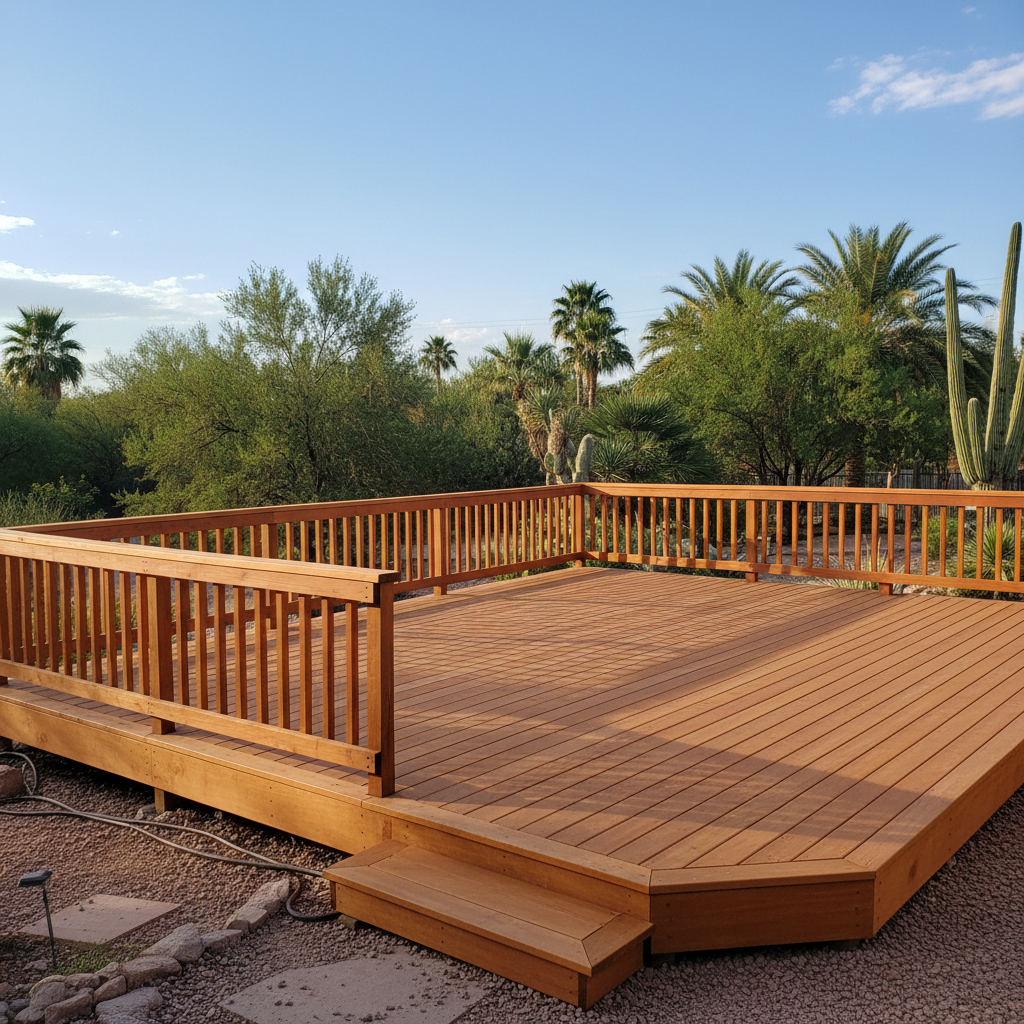
You've got a beautiful deck at your Scottsdale home, right? Maybe it's a sleek composite one, or perhaps a classic wood design. Either way, it's more than just an add-on; it's practically another room. It's where you sip your morning coffee, gather for family dinners, or just kick back under those incredible desert skies. But let's be honest, our Arizona climate is tough on anything outdoors. That intense sun, the dry heat, even those monsoon downpours — they really do a number on things.
So, how do you keep your deck looking great and lasting for years, just like it did the day we built it? It's not brain surgery, but it does need a little regular attention. And believe me, a bit of effort now saves you a whole lot of hassle and money down the road.
Making Your Deck Last in the Desert Heat
Here in Scottsdale, the sun is really the biggest enemy of any deck. UV rays just break down materials, dry out wood, and fade colors way faster than you'd think. That's why protecting it is so important.
- Shade, Shade, Shade: If you can swing it, put some shade over your deck. A pergola, a sail shade, or even some well-placed trees can seriously cut down on direct sun exposure. Less sun means less fading, less drying, and less material breaking down.
- Keep it Clean: Dust and dirt don't just look bad; they can actually trap moisture against your deck surface. That creates perfect conditions for mold or mildew, especially after a monsoon. A quick sweep or blow-off regularly really helps.
- Protect the Surface: For wood decks, this means proper staining and sealing — something I've talked about before. With composite, it's usually about keeping the surface clear of debris that could scratch it or let organic stuff grow.
- Mind the Water: We don't get a ton of rain, but when it does come down, you want that water to run off your deck, not sit there. Make sure your gutters are clean and not dumping water right onto your deck.
Regular Maintenance: Your Deck's Best Friend
Think of it like changing the oil in your car. A little regular care keeps bigger problems from popping up later.
Monthly:
- Sweep or Blow Off: Get rid of leaves, dust, and any other debris. This is super important if you've got mesquite trees dropping their pods or leaves.
- Check for Debris Between Boards: Small pebbles, dirt, or leaves can get stuck in the gaps. This stops proper drainage and could even scratch the boards.
Quarterly or Bi-Annually (this depends on how much you use it and how much sun it gets):
- Wash it Down: A good wash with mild soap and water (use a soft brush or mop; don't grab a pressure washer unless you really know what you're doing and it's a composite deck built for it) will clean off grime and environmental buildup. Rinse it really well.
- Inspect Fasteners: Look for any loose screws, nails that are popping up, or bolts that might need a quick tighten. Our dry climate can make wood shrink and expand, which sometimes loosens connections.
- Check Railings: Give your railings a good shake. Are they solid? Any wobbly posts or loose balusters?
Warning Signs: Don't Ignore These Red Flags
Your deck will usually tell you when something's not right; you just need to know what to look for. Catching these problems early can save you a ton of money.
- Fading or Discoloration: Beyond normal weathering, if you spot significant, uneven fading or strange dark spots, it might be UV damage, mold, or a compromised surface.
- Cracks or Splintering: Especially on wood decks, deep cracks or widespread splintering mean the wood is drying out and losing its strength.
- Loose or Wobbly Boards: If boards feel soft or move when you walk on them, that's a structural issue. Don't ignore it, okay?
- Rot or Mold: Dark, soft spots on wood, or green/black growth on composite, point to moisture problems. This often happens where water might pool or near planters.
- Rusting Hardware: Screws, nails, or brackets that show a lot of rust can weaken the deck's structure.
- Pest Damage: Look for small holes, sawdust trails, or even insect activity. Termites love our climate, and they love wood.
When to Call a Professional (Like Us at Done Right Decks)
Listen, I'm all for DIY, but some things are just better handled by the pros. If you see any of those serious warning signs, or if you're just plain unsure, it's time to pick up the phone.
- Significant Structural Issues: Wobbly posts, sagging joists, or widespread rot aren't DIY fixes. These are safety concerns.
- Widespread Damage: If large parts of your deck show advanced signs of wear, fading, or material breakdown, a professional assessment can tell you if it's repairable or if you need a partial replacement.
- Water Drainage Problems: If water is consistently pooling or running in ways it shouldn't, we can often figure out why and fix it, preventing future damage.
- Pest Infestations: While we don't handle pest control ourselves, we can assess the damage and work with a pest control company to make sure your deck is structurally sound after treatment.
- You're Just Not Sure: Honestly, if you're looking at your deck and thinking,