Before You Even Think About Paint or Stain
Alright, let's talk about your deck for a minute. You're probably looking at it right now, maybe noticing it's faded, or perhaps it's seen better days with some wear and tear. And you're thinking, "Time for a fresh coat!" That's smart; protecting your investment is always a good idea. But hold on a second. Before you even think about grabbing a brush or a can, there are a few things you absolutely have to consider, especially living here in Scottsdale.
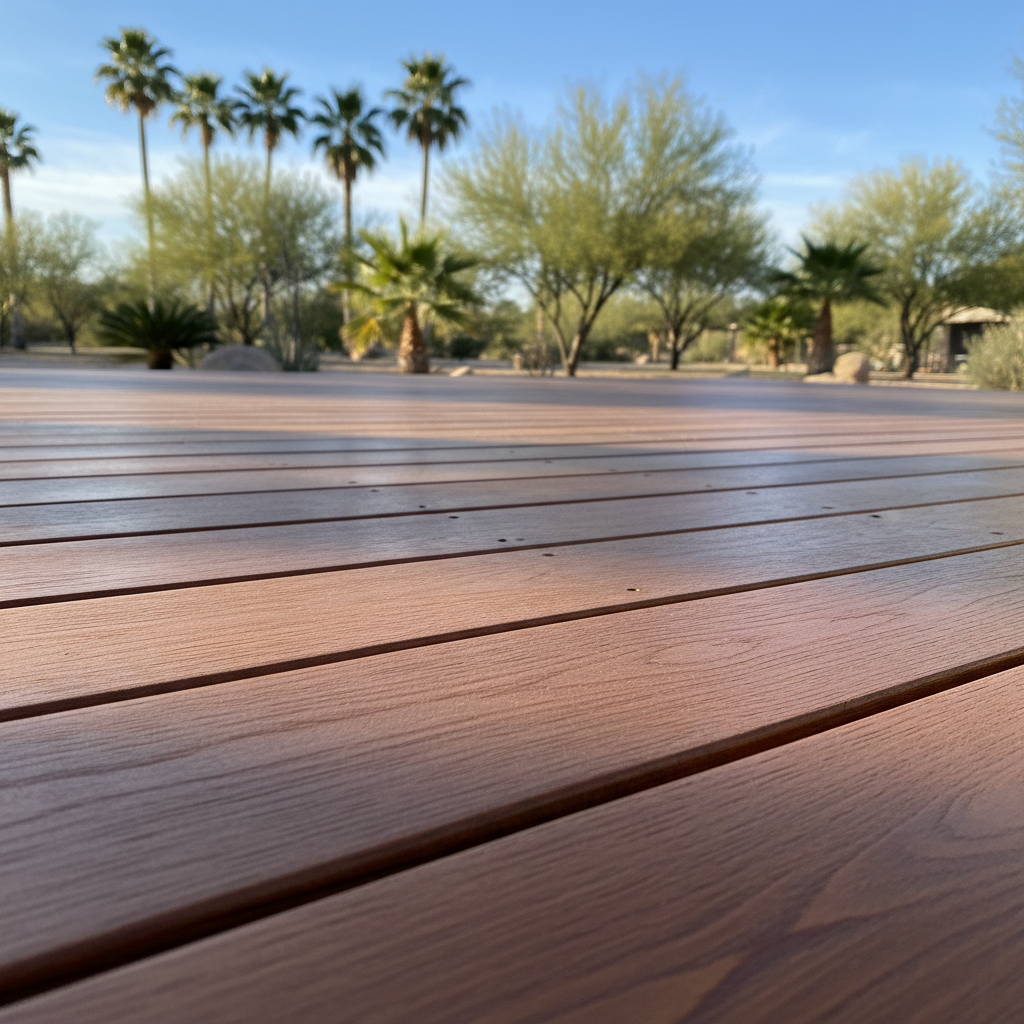
First things first: what kind of deck do you actually have? If it's a composite deck, say from Trex or Azek, then just stop. Seriously. You generally don't paint or stain composite decking. It's built to be super low-maintenance, with its color already mixed in. Trying to paint it usually ends up with peeling, flaking, and honestly, a huge mess down the road. If your composite deck looks a bit rough, it's probably just dirty, or maybe it's time to explore replacement options. Don't try to force a fix that isn't right for it.
Now, if you've got a traditional wood deck—like cedar, redwood, or pressure-treated pine—then we're in business. The next big question is: has it been painted or stained before? This part is crucial. If there's an old, peeling paint job on there, you're looking at a lot more prep work than if it's just some faded stain or bare wood.
Here's another huge factor for us desert dwellers: the sun. Our Scottsdale sun is no joke, right? It just bakes everything. This means whatever product you pick has to be tough, really tough. You can't just grab any old exterior paint or stain off the shelf. You need something specifically designed to handle extreme UV exposure. I've seen way too many decks in McCormick Ranch or Paradise Valley that looked fantastic for about six months, and then the sun just ate right through the finish. What a waste of time and money!
Prepping Your Deck: This Isn't Optional
I cannot say this enough: prep work makes up about 80% of the entire job. Skip it, and you'll be redoing your deck way, way sooner than you'd ever want to. Trust me on this one.
- Clean it thoroughly: You absolutely have to get rid of all the dirt, grime, mildew, and any old, loose finish. A good deck cleaner and a stiff brush will be your best friends here. For really stubborn stuff, a pressure washer can be a lifesaver, but be super careful! Too much pressure can actually damage the wood fibers, especially on softer woods. Keep that nozzle moving and don't get too close.
- Strip old finishes (if you need to): If you've got peeling paint or stain, you'll need a chemical stripper. This is messy, smelly work, no two ways about it, and you've got to follow the instructions carefully. Make sure you protect nearby plants and, of course, yourself.
- Sand it smooth: Once everything's clean and dry, sand down any rough spots, splinters, or those areas where the old finish just wouldn't budge. A pole sander or an orbital sander can really speed this up. You're aiming for a smooth, clean surface so the new finish can stick properly.
- Repair any damage: Replace rotten boards, tighten up loose screws, and hammer down any nails that have popped up. Don't just paint over problems; fix them first.
- Let it dry: After cleaning, your deck needs to be bone dry. In our dry climate, that usually means 24-48 hours, but always check the forecast. You definitely don't want any moisture trapped under your new finish.
Choosing Your Finish: Paint vs. Stain
This is a big decision, and it really comes down to the look you're going for and how much maintenance you're willing to take on later.
- Paint: This gives you solid color coverage, hides imperfections, and can totally change the vibe of your outdoor space. It forms a film right on top of the wood. The downside? It's more likely to peel and chip, especially with our sun, and if the prep wasn't absolutely perfect. Once you paint, you're pretty much stuck painting again next time.
- Solid Stain: It looks a lot like paint but actually soaks into the wood more. You still get opaque color and it hides the grain. Often, it's more durable than paint when it comes to peeling, but it can still fade.
- Semi-Transparent Stain: This one's a popular choice, and for good reason. It adds color but still lets the beautiful wood grain show through. It penetrates the wood and gives good UV protection. Plus, it tends to wear down gradually instead of peeling, which makes reapplying it much easier.
- Clear Sealers/Toners: These offer protection without changing the color much at all, letting the wood's natural beauty really shine. Just know you'll need to reapply them more often than stains with pigment.
For Scottsdale decks, I usually lean towards good quality stains, especially semi-transparent or solid ones. They just tend to hold up better against our climate and are easier to maintain long-term compared to paint.
Applying the Finish: Take Your Time
Once all that prep work is done, the actual application part is pretty straightforward. Just make sure you pick the right day – not too hot, no direct scorching sun, and definitely no rain in the forecast. Early morning or late afternoon often work best around here.
Use good quality brushes, rollers, or a pad applicator. Work in small sections, always going with the wood grain. Don't overapply; thin, even coats are always, always better than one thick, gloppy one. And don't forget to read the product instructions for drying times and when you can recoat.
DIY or Call a Pro?
Okay, this is where things get real. Can you paint or stain your deck yourself? Absolutely, if you're handy, have the time, and are super meticulous about the prep. It's a rewarding project if you do it right. You'll definitely save on labor costs, no doubt about it.
However, if your deck is huge, has a lot of intricate railings, or if the existing finish is a total nightmare of peeling paint, you might want to call in the cavalry. Stripping old paint, especially on a big deck, is a monumental undertaking. Plus, a professional will have the right equipment (like commercial-grade pressure washers and sanders) and the experience to get it done efficiently and correctly. They'll also know exactly which products perform best in our specific climate. If you're not confident in your prep skills, or you just don't have a solid weekend (or two) to dedicate to it, getting a few quotes is definitely worth it.
Here at Done Right Decks of Scottsdale, we've truly seen it all. We can help you figure out if your deck is a good candidate for a refresh, or if it's time to think about a full rebuild with something more durable, like composite. Either way, protecting your deck from our harsh desert elements is key to enjoying your outdoor living space for years to come.
After the Job: Maintenance Matters
You've put in all that hard work, so now protect it! Keep your deck clean with regular sweeping and occasional washing using a mild cleaner. Inspect it annually for any signs of wear, fading, or damage. Catching issues early means smaller, easier fixes later on. Depending on the product you used and how much sun your deck gets, you'll probably need to reapply a fresh coat of stain every 2-4 years. Paint might last a bit longer, but when it fails, it usually fails big time.
Enjoy your newly refreshed deck!