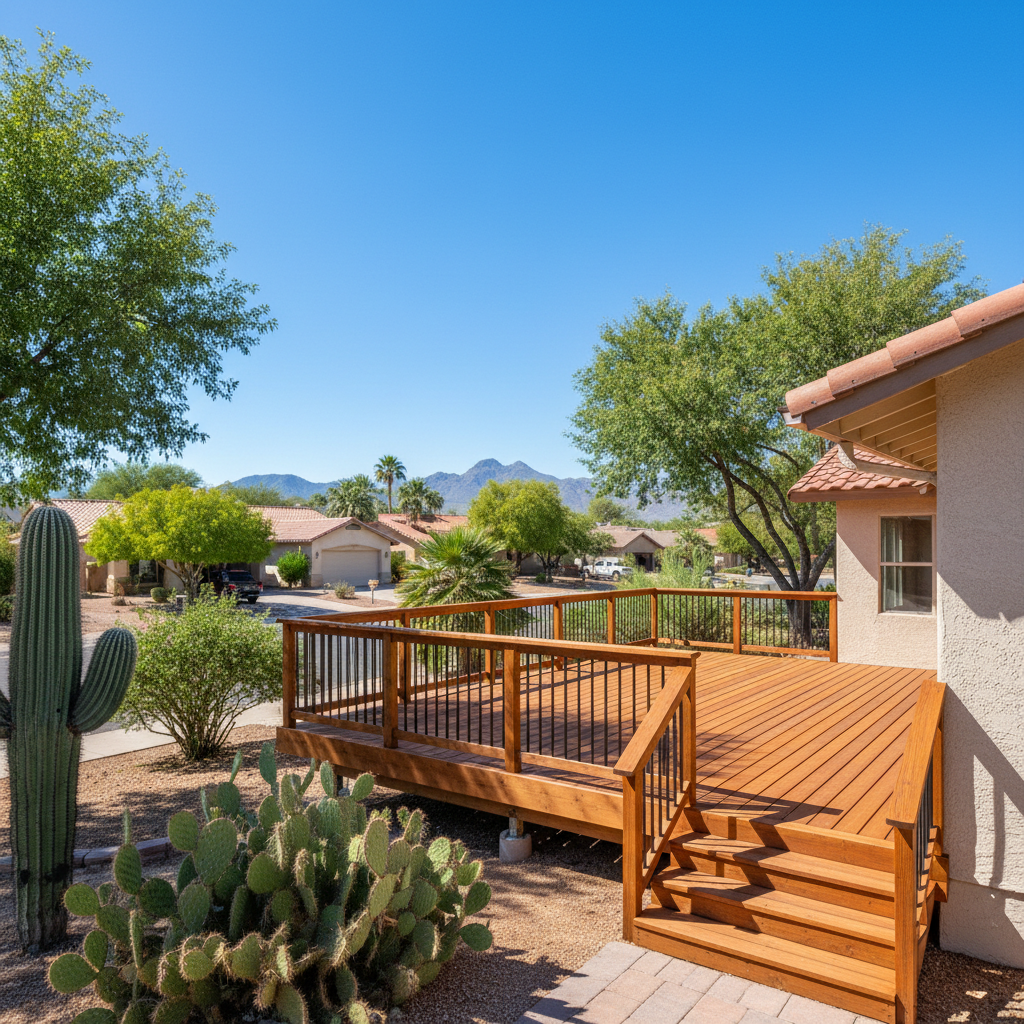
You know, it's easy to forget about your deck until something really goes wrong. But here in Scottsdale, with our intense sun, monsoon rains, and even the occasional dust storm, decks take a beating. I've seen it all myself, from sun-baked splintering wood to loose railings that are just waiting for an accident. As a contractor, I can tell you that catching small issues early can save you a whole lot of headache and money down the line, believe me.
Why Scottsdale Decks Need Extra Attention
Our climate isn't like, say, the Pacific Northwest. We don't have constant rain, sure, but what we do have is extreme UV exposure for most of the year. That sun bakes wood, dries out composite materials, and can degrade fasteners faster than you'd think. Then, when the monsoon hits, that sudden rush of moisture after months of dryness can cause wood to swell and warp. It's a tough cycle for any outdoor structure, really.
I've worked on decks all over town, from the older homes in Paradise Valley Village with their classic redwood decks to the newer builds in North Scottsdale with composite materials around their pools. Each type of material and age of home presents its own set of challenges. For instance, those older redwood decks? They're beautiful, but if they haven't been regularly sealed, they can really start to splinter and rot from the inside out, especially where they meet the ground or concrete.
Common Deck Problems I See Around Here
So, what should you be looking for? When I'm doing an inspection, these are the red flags that jump out at me:
- Loose or Wobbly Railings: This is a big one for safety. Give your railings a good shake. If they move more than an inch or two, you've got a problem. The posts might be rotting at the base, or the fasteners could be corroded.
- Splintered or Cracked Decking Boards: Especially on wood decks, the sun just dries them out. Small cracks can turn into big splinters, and nobody wants a foot full of those. If you see deep cracks or boards that are cupping (curving upwards), it's time to deal with them.
- Soft Spots or Rot: Take a walk around your deck. Pay attention to how the boards feel underfoot. Any spongy or soft areas are a sign of rot. This is particularly common near planters, under downspouts, or where water tends to pool.
- Corroded Fasteners: Look at the screws, nails, and metal connectors holding your deck together. Rust isn't just ugly; it weakens the structure. Our humidity, even if it's brief, can speed up corrosion, especially on cheaper galvanized hardware.
- Fading or Stains on Composite: While composite decks are low maintenance, they're not *no* maintenance. Fading can happen, but sometimes dark spots or persistent stains indicate mold or mildew growth, which can start to break down the material over time.
- Damaged Flashing: If your deck is attached to your house, check the flashing where the ledger board meets the wall. If it's bent, missing, or put in wrong, water can get behind your siding and cause serious damage to your home's structure.
Why Local Expertise Matters for Deck Repair
You might think a deck is a deck, but trust me, knowing the local conditions makes a huge difference. I understand how our soil expansion and contraction here in Scottsdale can affect footings, or how the intense afternoon sun on a west-facing deck might require different materials or repair strategies. We're not just fixing a piece of wood; we're making sure it stands up to our unique environment.
When you're looking for someone to fix your deck, you want a contractor who's seen these specific issues before. Someone who knows what kind of wood holds up best to our dry heat, or what type of composite material will resist fading in our sun. At Done Right Decks of Scottsdale, we've been doing this for years, and we know what works and what doesn't in a desert climate.
Don't wait until a small repair turns into a full deck replacement. Give your deck a good once-over. If you spot any of these issues, it's probably time to get a professional opinion. A little proactive maintenance goes a long way in keeping your outdoor living space safe and enjoyable for years to come.