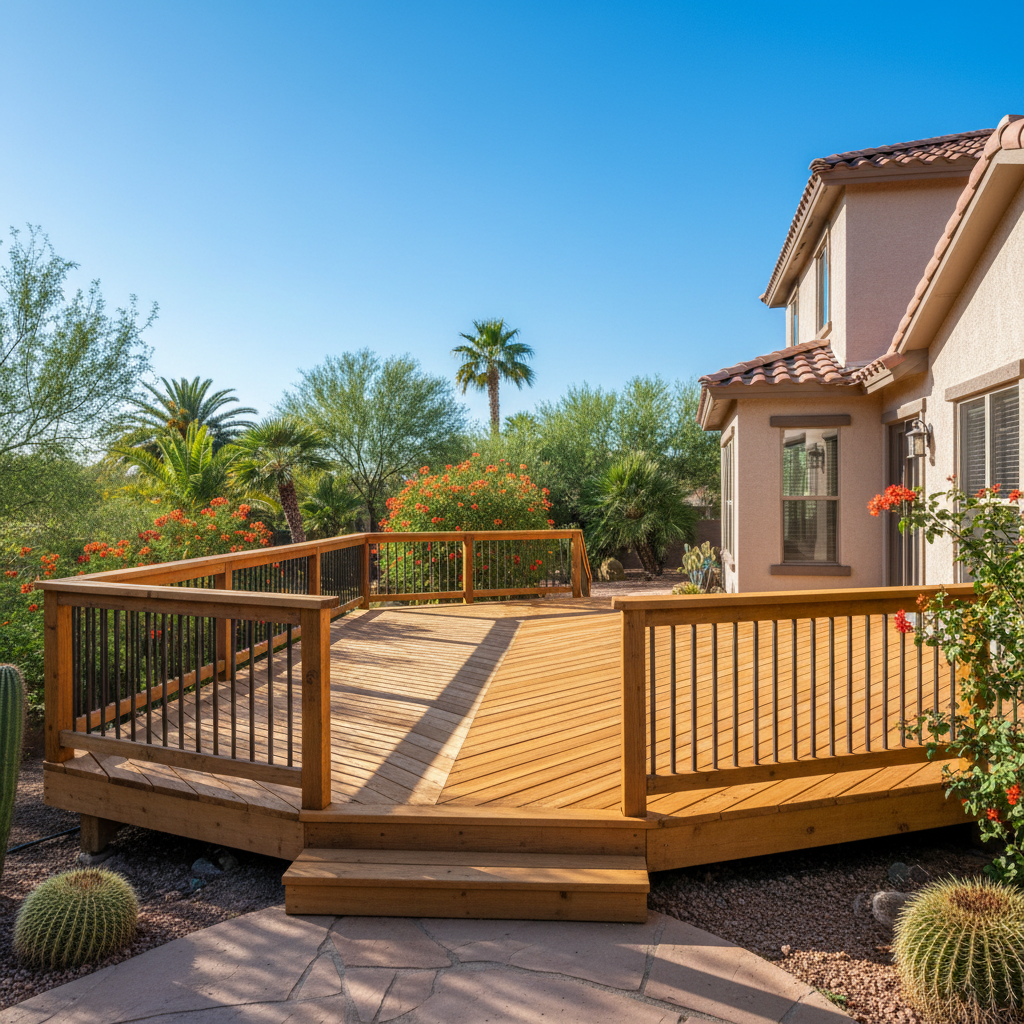
Alright, let's talk about decks here in Scottsdale. Our desert climate is truly one-of-a-kind, and that means your deck needs a different kind of care than, say, a deck in a rainy Pacific Northwest city. You just can't slap on a coat of stain and call it good here. The intense sun, the dry heat, and those sudden, powerful monsoon storms really put your deck through its paces. So, when it comes to deck repair and keeping it protected all year, knowing when to do the work and understanding our local conditions are absolutely key.
When Should You Get Your Deck Repaired in Scottsdale?
You'd think with all our sunshine, any time would be fine for outdoor projects, right? Nope, not quite. Planning your deck repair strategically can save you a lot of headaches and money, and it helps make sure the work actually lasts.
- Fall (October - November): This is probably your best bet. The scorching summer heat finally starts to ease up, and we haven't yet hit the cooler, sometimes wetter, winter months. Temperatures are comfortable for working, and materials like wood stains and sealers can cure properly without baking in 110-degree heat or getting washed out by a sudden downpour. Plus, it's before the big holiday rush, so you might find contractors like us at Done Right Decks of Scottsdale have better availability.
- Winter (December - February): Still a pretty good window. Days are mild, often in the 60s and 70s, which is perfect for outdoor projects. We do get some gentle, widespread rains from January through March, but they're usually not the kind of torrential storms that stop work for days. Just remember, this is peak tourist season, so some contractors might be busier.
- Early Spring (March - April): This can work, but you're starting to race the heat. Temperatures are climbing, and while it's still pleasant, you really need to get things done before May rolls around and the mercury truly starts to soar.
- Summer (May - September): Honestly, try to avoid major deck repairs during these months if you can. It's just brutal out here. Temperatures routinely hit 110°F or more. This extreme heat isn't just tough on the crew; it's hard on the materials, too. Stains and sealers can dry way too fast, leading to poor adhesion and a shorter lifespan. Wood warps, and composite decking expands significantly in the heat, which we have to factor in during installation. On top of all that, monsoon season kicks off in mid-June and runs through September, bringing those intense afternoon thunderstorms, microbursts, and dust storms (haboobs) that can shut down work completely.
Weather Conditions That Really Impact Deck Work
Our unique climate means we're always thinking about a few specific things when we're on a job site, wouldn't you agree?
- Extreme Heat: This is the big one, no doubt about it. High temperatures cause materials to expand. For wood decks, this means boards can warp or crack if they're not installed with proper spacing. For composite, it's even more critical; composite boards can expand up to a quarter-inch more in our heat than in milder climates. We have to plan for that thermal expansion, leaving specific gaps so your deck doesn't buckle. It also affects how fast stains and sealers dry, and if they dry too fast, they won't penetrate or stick correctly, meaning you'll be doing the work again sooner than you should.
- Monsoon Storms: From mid-June to the end of September, we get those dramatic afternoon thunderstorms. They come with heavy rain, strong winds (microbursts can exceed 60 mph!), and sometimes even hail. You simply can't work in that kind of weather. Rain can ruin fresh stain or sealer, and high winds can kick up dust that contaminates surfaces. A poorly graded deck can also struggle with drainage during these downpours, leading to water pooling.
- UV Exposure: The sun here is absolutely relentless. It fades everything. Wood, even treated wood, takes a beating from the UV rays, turning gray and getting rough. Composite decking holds up better, but even it needs to be chosen carefully for high-UV environments to prevent fading. This is why proper sealing and staining with UV protection are so, so important.
- Low Humidity (mostly): For much of the year, our air is incredibly dry. This can cause wood to shrink and crack. It's a bit of a double-edged sword with the monsoons bringing humidity, so materials are constantly expanding and contracting. This movement is why nails can loosen, and screws are often a better choice for fasteners.
Keeping Your Investment Safe Year-Round
Your deck is an extension of your home, and with just a little year-round attention, it'll stay looking great and performing safely for many years to come.
- Regular Cleaning: Don't let dirt, dust, and debris just sit on your deck. Our desert dust can be abrasive. Clean your deck at the start of every season, or more often if it looks like it needs it. A good scrub with warm water and a wood-safe cleaner, followed by a rinse, really does wonders. Just make sure outdoor rugs or potted plants aren't trapping moisture underneath.
- Annual Sealing/Staining (for wood decks): This is absolutely essential in Scottsdale. Apply a penetrating sealer annually after cleaning to protect against UV rays, moisture, and mildew. If your deck is looking faded, a combination stain and sealer can refresh its look. Just make sure the product has UV inhibitors.
- Inspect for Damage: Do a thorough check a few times a year. Look for loose railings, warped boards, splintering, or any signs of rot. Address small issues quickly before they become big, expensive problems. Loose nails? Replace them with screws.
- Mind the Monsoon: Before monsoon season hits, make sure your deck's drainage is clear. If you have a walk deck, ensure the system is designed to handle heavy rain and that periodic recoating is done to maintain its waterproofing. High winds can also blow debris onto your deck, so clear it off promptly.
- Consider Material Choices for Longevity: If you're building new or doing a major overhaul, think about materials specifically made for our climate. High-quality composite or PVC decking resists our intense UV exposure and temperature fluctuations much better than many natural woods, requiring less maintenance. If you do go with wood, choose light colors and make sure it's properly treated and sealed.
- Shade is Your Friend: Anything that provides shade will help protect your deck. Pergolas, shade sails, or even strategically placed desert trees can reduce direct sun exposure, keeping your deck cooler and slowing down material degradation.
Taking care of your deck in Scottsdale isn't just about how it looks; it's about protecting a significant investment from a truly demanding environment. If you've got questions or need a hand with repairs, you know who to call.